
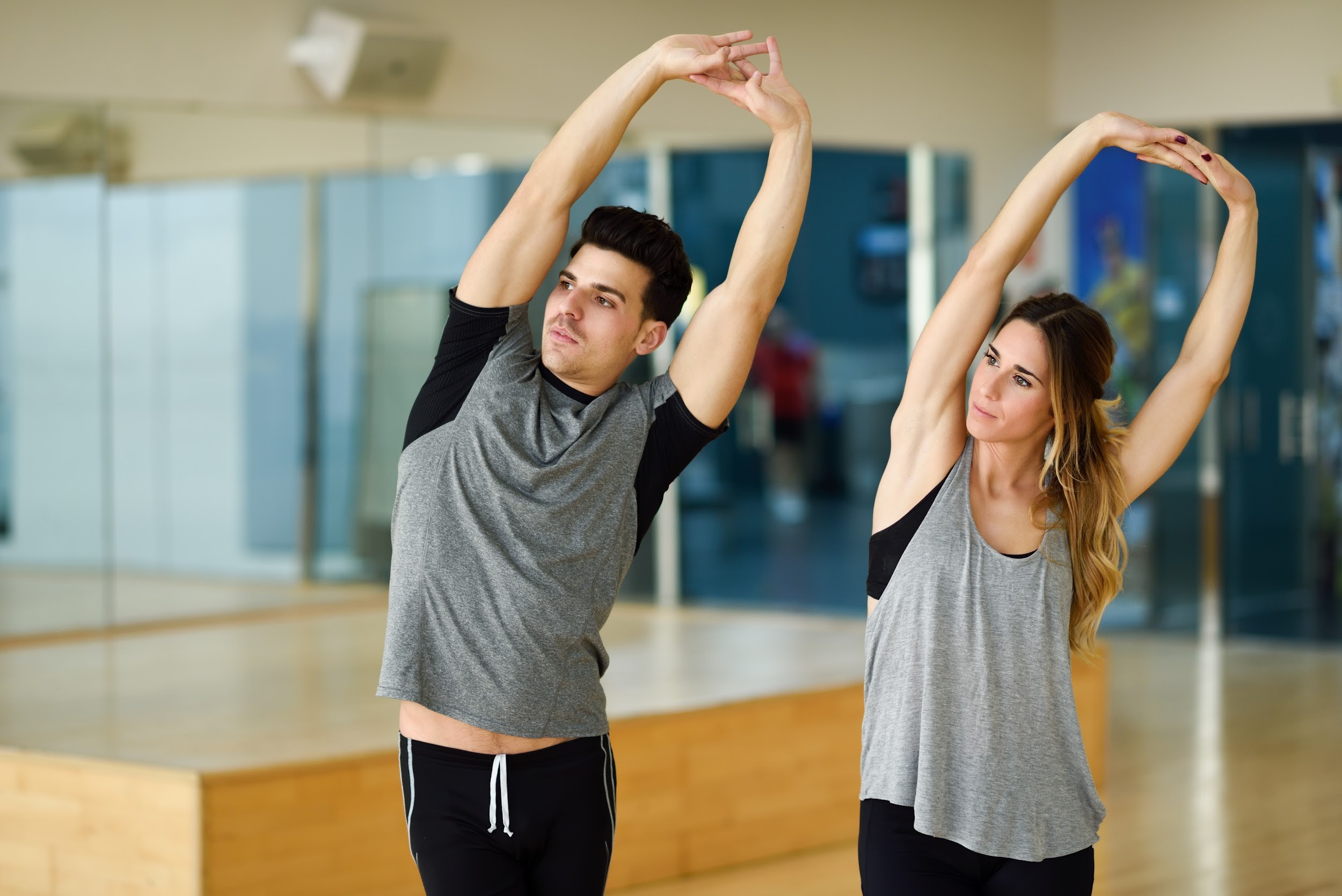
Many adults start dance lessons for social reasons. They want to meet people, try something new, or share an activity with a partner. What often surprises them is how much dancing changes the way they move in everyday life.
Posture improves. Balance becomes steadier. Simple movements feel more coordinated.
Ballroom dancing combines rhythm, movement, and body awareness in ways that support both physical and mental engagement. For people exploring adult dance classes in northern New Jersey, the benefits often extend well beyond the dance floor.
Over time, dance lessons can help the body move with greater ease and control during daily activities.
Why Posture Naturally Improves Through Dance
Posture is one of the first things instructors address during ballroom dance lessons. Partner dancing works best when both dancers maintain an upright and balanced position.
Rather than leaning forward or slouching, dancers learn to stand with a relaxed but aligned posture. The shoulders stay open, the spine remains tall, and the head stays balanced over the body.
This alignment allows dancers to move smoothly with a partner and maintain control during turns and steps.
Students attending dance classes in the Chatham area or ballroom dance lessons near Ridgewood often notice that this awareness carries into everyday life. Sitting at a desk, walking down the street, or standing in line begins to feel different once the body becomes familiar with proper alignment.
Posture is not corrected through force. It develops gradually as dancers learn how their bodies move more comfortably in an aligned position.
Developing Balance Through Movement
Balance is another skill that develops naturally through ballroom dancing.
Each dance step requires subtle shifts of weight from one foot to the other. Dancers learn how to transfer their weight smoothly while staying centered and controlled.
This practice strengthens stabilizing muscles in the legs and core. Those muscles help support balance not only during dance lessons but also during daily activities such as walking, climbing stairs, or changing direction quickly.
Research published by the National Institute on Aging highlights that activities involving coordination and movement patterns, including dancing, can help support balance and mobility as people age.
For students exploring local dance classes for beginners in New Jersey, these improvements often appear gradually. Movements that once felt uncertain start to feel stable and natural.
Learning Body Awareness
Ballroom dance encourages awareness of how the body moves through space.
During lessons, instructors guide students to notice where their weight sits, how their feet connect with the floor, and how their body responds to music. This awareness helps dancers move intentionally rather than automatically.
Over time, that awareness begins to influence everyday movement.
Students attending dance lessons in the Morristown, New Jersey area often notice that walking feels smoother. Turning corners feels easier. Even standing for longer periods becomes more comfortable because the body is aligned more efficiently.
These small adjustments create a sense of control and coordination that extends beyond dance.
Strengthening Core Stability
Partner dancing relies heavily on core stability. The muscles around the abdomen and lower back help support balance, posture, and smooth movement.
During ballroom dance steps, the core stabilizes the body while the legs and feet move across the floor. This coordination helps dancers maintain control during turns, pivots, and directional changes.
Unlike traditional workouts that isolate specific muscle groups, ballroom dancing engages the body as a connected system. The result is functional strength that supports everyday movement.
Students often discover that dance lessons strengthen muscles they weren’t consciously trying to exercise.
Coordinating Movement With Rhythm
Dance also improves coordination through rhythm.
Each ballroom dance has its own timing pattern. The waltz moves in a three-count rhythm. The foxtrot uses a slow-and-quick step pattern. Latin dances like cha cha include faster rhythmic footwork.
Learning these rhythms helps dancers coordinate their movements with music. This connection between hearing a rhythm and responding with movement strengthens the brain’s ability to process timing and motion.
For adults interested in learning to dance, this rhythmic training can feel both mentally engaging and physically rewarding.
As dancers grow more comfortable with rhythm, their movements become smoother and more fluid.
Improving Walking and Everyday Mobility
One unexpected benefit of ballroom dance lessons is how much they influence everyday walking.
Many ballroom dances involve traveling smoothly across the floor. Dancers practice stepping forward, backward, and sideways while maintaining balance and rhythm.
These patterns closely resemble everyday walking movements. The difference is that dance lessons encourage dancers to move with greater awareness and control.
Students often notice that their stride becomes more confident and steady over time.
The ability to change direction smoothly or adjust pace quickly becomes easier as coordination improves.
A Gentle Way to Stay Physically Active
For adults looking for ways to stay active without high-impact exercise, ballroom dance offers a balanced approach.
Dancing involves continuous movement, but allows participants to adjust intensity based on comfort level. Lessons focus on coordination and rhythm rather than speed or endurance.
This makes dance accessible to a wide range of ages and fitness levels. For those who may be empty nesters looking for a dance class in New Jersey, or who are just looking for a social dance class experience, dance lessons combine movement, music, and social interaction in a way that feels enjoyable rather than strenuous.
Confidence That Comes From Moving Comfortably
As posture improves and balance becomes steadier, many students notice a shift in confidence.
Moving comfortably through space creates a sense of control. That confidence can influence everything from how someone walks into a room to how they interact socially.
For couples looking for a shared activity in New Jersey, dance lessons can help them feel more relaxed at events where dancing is part of the evening.
Individuals who are new to the area in New Jersey may find that attending adult dance classes offers improved confidence and makes it easier to connect with others in social settings.
The physical and social aspects of dance often reinforce each other.
Movement That Stays With You
One of the unique qualities of ballroom dancing is that the skills learned in class tend to stay with you.
Posture, balance, and rhythm become habits rather than temporary improvements. Once the body learns how to move efficiently, those patterns continue to influence everyday movement.
Students attending ballroom dance lessons near Ridgewood, New Jersey, or dance studios in Ridgewood, New Jersey, and surrounding areas often describe dance as something that gradually changes how they carry themselves.
The improvements happen step by step, lesson by lesson.
Discovering a Different Way to Move
Ballroom dancing is often seen as a social activity, but it also offers meaningful physical benefits. Posture improves. Balance strengthens. Everyday movement becomes more coordinated and comfortable.
If you’re in the areas of Chatham, Denville, Morristown, or Ridgewood, Arthur Murray Dance studios offer dance instruction for beginners and experienced dancers. Whether you’re interested in social dancing, preparing for an event, or simply trying something new, ballroom dance provides an opportunity to move, learn, and connect.
Sometimes the first step onto the dance floor leads to improvements that reach far beyond it.
Leave a Reply