
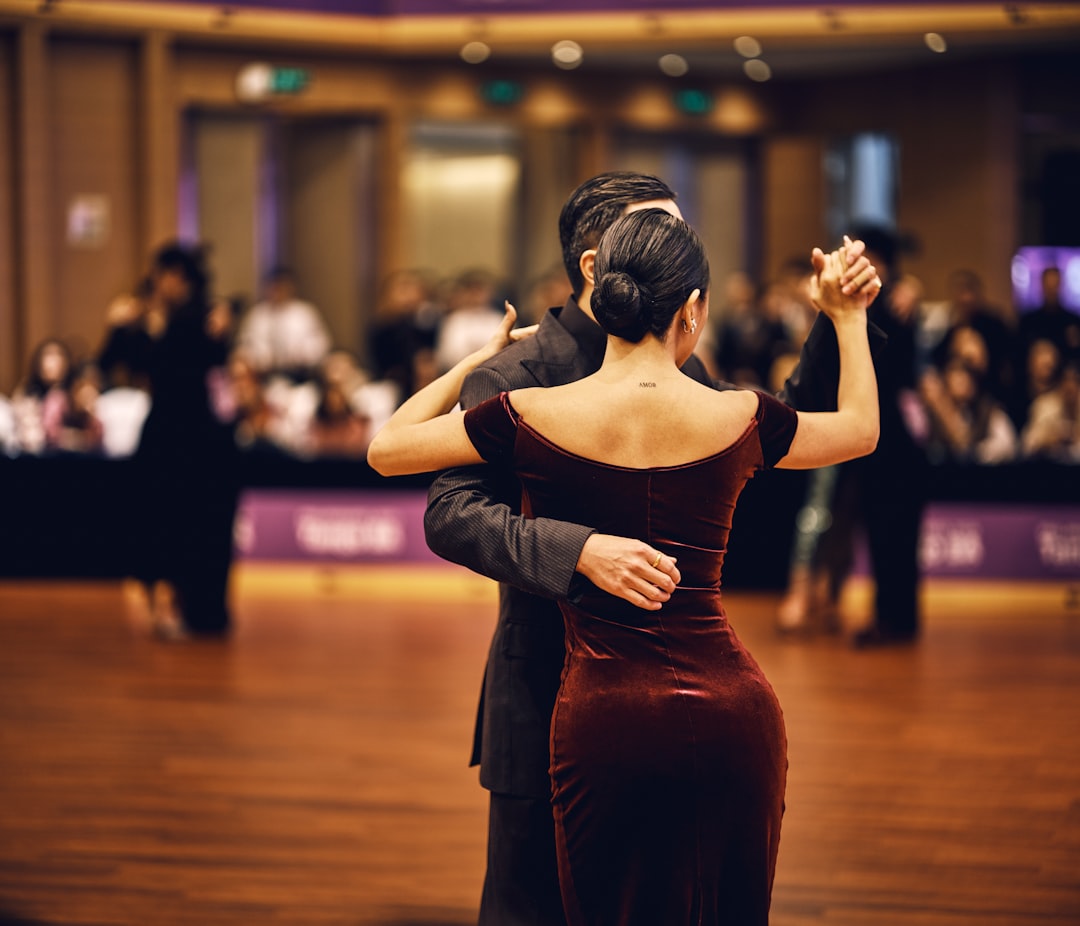
Most people who start dance lessons want to know the minimum number they need before they feel ready for a wedding, cruise, or night out. The practical answer is four to six dances—enough to cover the most common tempos and styles you’ll hear at social events, without overwhelming yourself in the first few months.
That’s not a rigid rule. Some people learn two dances and feel confident. Others pick up ten over a year and still want more. But if you’re wondering what qualifies as “enough” to walk into most situations without sitting down, four to six is where most adults land.
The Foundational Four Dances
Four dances will cover roughly 80% of the music you’ll encounter at weddings, galas, and social gatherings: foxtrot, waltz, swing, and rumba. These represent the four main categories of rhythm and style that show up in popular music, and they’re forgiving enough for beginners to pick up without getting tangled in technique.
Foxtrot handles moderate-tempo swing music—think Frank Sinatra, Michael Bublé, and a lot of classic standards. Waltz covers slow, romantic songs in three-quarter time. Swing fits upbeat, jazzy tracks, and rumba works for slower Latin or contemporary ballads. Between those four, you’ll have something ready for most of what a DJ plays at a typical event.
If you’re preparing for a specific occasion, and you learn nothing else, start here. These four dances give you enough variety to stay on the floor without repeating yourself all night.
Adding Two More for Flexibility
Once you’re comfortable with the foundational four, adding cha cha and tango rounds out your repertoire in ways that make social dancing easier. Cha cha covers medium-tempo Latin music—songs that are too upbeat for rumba but not quite swing territory. Tango gives you a dramatic option for slower, more intense songs that don’t fit the waltz mold.
Those two dances show up less frequently than foxtrot or swing, but when the music calls for them, you’ll notice the gap if you don’t have them. A six-dance repertoire means you can handle nearly anything a band or DJ throws at you without second-guessing whether a song fits what you know.
Most experienced social dancers stick with these six as their core set. They might dabble in others—bolero, samba, mambo—but the six above are the ones they use week after week.
What You Can Skip (at Least at First)
Some dances come up so rarely in social settings that learning them early adds more complexity than usefulness. Viennese waltz, quickstep, and samba are beautiful dances, but they require specific music that most DJs don’t play unless it’s a dance-focused event. Bolero is slow and elegant, but rumba usually covers the same songs.
If you’re learning for a wedding, anniversary dance, or cruise, you probably won’t need these. If you join a studio’s group classes or practice parties and find yourself wanting more variety, you can always add them later. But they’re not essential to feeling comfortable on a social dance floor.
The question isn’t whether those dances are worth learning—it’s whether they’re worth learning now, when you’re still figuring out how to lead a turn or follow without looking down.
How Long It Takes to Learn Four to Six Dances
Most beginners can learn the basics of four dances in two to three months with weekly lessons and some practice in between. That’s enough to recognize the rhythm, execute the fundamental patterns, and feel like you’re dancing instead of just surviving. Adding two more dances usually takes another month or two, depending on how often you practice.
“Basics” doesn’t mean polished or competition-ready. It means you can start the dance, stay on time with the music, and move around the floor without freezing up or counting out loud. For most people, that’s the threshold where dance lessons stop feeling like homework and start feeling like something they’d choose to do on a Saturday night.
If you’re preparing for a specific event, three months is a reasonable timeline to feel ready. If you’re learning for the long term, the timeline matters less—you’ll keep building on what you know, and the dances you learn first will get smoother as you go.
What Experienced Social Dancers Actually Use
People who’ve been social dancing for a few years typically know eight to twelve dances, but they don’t use all of them equally. Most still rely on the same four to six dances for the majority of their time on the floor. The additional dances give them options when the music is unusual or when they want to try something different, but foxtrot, waltz, and swing remain the workhorses.
According to research on dance and aging from the National Institute on Aging, regular social dancing improves balance, coordination, and cognitive function in older adults—benefits that come from consistent practice of familiar movements, not from constantly learning new dances. The value is in dancing often, not in accumulating a large repertoire.
If you stick with dance lessons long enough to learn ten or twelve dances, you’ll probably find yourself defaulting to the same handful anyway. The rest become occasional indulgences, not staples.
Couples vs. Solo Dancers
Couples learning together often move through dances faster because they have a built-in practice partner and a shared reason to show up. Solo students sometimes take a little longer to feel confident, not because the material is harder, but because they’re also learning to adapt to different partners in group classes. Both paths work—it just changes the rhythm of how quickly you feel ready.
If you’re learning as a couple, four dances might feel manageable in six to eight weeks. If you’re learning solo, the same four might take two to three months, especially if you’re also adjusting to rotating partners. Neither timeline is better or worse. It’s just a different experience.
Group classes offer built-in partner rotation, which helps solo dancers get comfortable with variety early. Private lessons let couples move at their own pace without needing to match a group’s schedule. Both formats get you to the same place—it’s a question of how you prefer to learn.
Starting With What You’ll Actually Use
The best dance to learn first is the one that matches the event or situation driving you to lessons in the first place. If you’re preparing for a wedding and the first dance song is a waltz, start there. If you’re going on a cruise, and you just want to feel comfortable at the evening socials, foxtrot and swing will cover most of what you’ll hear.
Trying to learn everything at once usually means you don’t get good at any of it. Starting with two dances and getting them to the point where you don’t have to think about every step makes the third and fourth dances easier to pick up. The skills transfer—how to stay connected with a partner, how to recognize musical phrasing, how to recover when you lose your place.
Most people who eventually learn six or eight dances started by learning two well. The rest followed because they enjoyed it, not because they needed a complete collection.
At Arthur Murray in Chatham, Denville, Morristown, and Ridgewood, most new students start with a handful of foundational dances and build from there based on what they’re preparing for and what they enjoy. If you’re not sure where to start, an introductory lesson walks through what makes sense for your situation and how long it typically takes to feel ready. No one expects you to know ten dances before you’re comfortable on a dance floor. Four is usually enough.
Leave a Reply